Why Humidity Is a Major Issue in Australian Homes
Humidity is a fact of life in many parts of Australia, particularly in coastal cities like Perth and Sydney. While a little moisture in the air is normal, consistently high humidity inside the home can quickly become a problem. When indoor humidity rises above safe levels, it creates the ideal environment for mould, mildew, and bacteria to grow.
At Real Clean Services, we regularly see homes where humidity-related issues have gone unnoticed until visible mould, musty smells, or health concerns appear. Modern Australian homes are often well-sealed for energy efficiency, but without proper ventilation and regular deep cleaning, moisture becomes trapped indoors.
How High Humidity Leads to Mould Growth
Mould spores exist naturally in the air, but they only become a problem when moisture allows them to settle and multiply. High humidity provides exactly the conditions mould needs to thrive, especially on surfaces that remain damp or poorly ventilated.
Common mould-prone areas we see
- Residential house cleaning
- End-of-lease cleaning
- Office and commercial cleaning
- Deep cleaning
- Carpet and upholstery cleaning
Once mould takes hold, it can spread quickly and release spores into the air, affecting both indoor air quality and household health.
Bacteria and Moisture: The Hidden Risk
Unlike mould, bacteria are often invisible, but high humidity allows them to survive longer and multiply faster. Moist environments inside the home — particularly in soft furnishings and air systems — can quietly harbour bacteria that contribute to odours, allergies, and illness.
Areas commonly affected include:
- Carpets and rugs
- Upholstery and mattresses
- Kitchen surfaces and splash zones
- Air-conditioning filters and vents
This is why professional cleaning goes beyond appearance and focuses on hygiene and air quality as well.
Health Impacts of Mould and Bacteria in the Home
Prolonged exposure to mould and bacteria can lead to a range of health concerns, particularly for children, older adults, and people with asthma or allergies.
Common symptoms include
- Coughing, sneezing, or breathing irritation
- Headaches and fatigue
- Worsening asthma symptoms
- Skin and eye irritation
Many clients contact Real Clean Services after noticing that symptoms improve when they leave the house — a strong sign that indoor air quality may be affected by humidity-related growth.
Why Humidity Problems Persist in Australian Homes
Australia’s climate plays a big role, but lifestyle factors also contribute to indoor moisture buildup.
Key contributors
- Long, hot summers with high humidity
- Winter condensation caused by heating and poor airflow
- Daily activities like cooking, showering, and drying clothes indoors
- Infrequent deep cleaning of moisture-prone areas
Without targeted cleaning and moisture management, these conditions allow mould and bacteria to return repeatedly.
How Professional Cleaning Helps Control Humidity-Related Issues
While ventilation and dehumidifiers help reduce moisture, they don’t remove the contaminants humidity leaves behind. This is where professional cleaning makes a real difference.
At Real Clean Services, our approach focuses on:
- Removing existing mould and bacteria
- Cleaning the areas where moisture lingers
- Reducing the chance of regrowth
Areas we prioritise
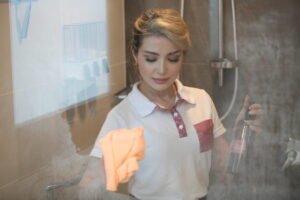
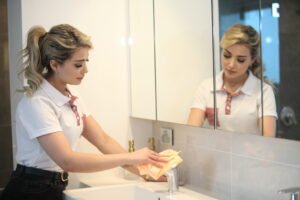
- Bathrooms (ceilings, grout, tiles, and fittings)
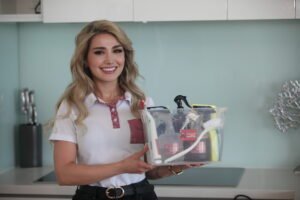
- Kitchens and high-use surfaces
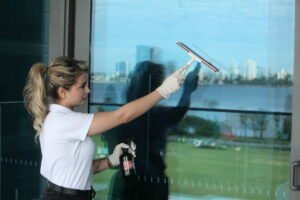
- Windows, tracks, and condensation zones
- Carpets and upholstery that trap moisture
- Air-conditioning filters and vents
Why Deep Cleaning Is Essential in Humid Homes
Standard cleaning often isn’t enough when humidity is involved. Deep cleaning targets the buildup that routine cleaning misses — especially in corners, fabrics, and high or hard-to-reach areas.
A humidity-focused deep clean may include
- Detailed cleaning of skirtings, corners, and edges
- Hot-water extraction for carpets and upholstery
- Bathroom detailing to prevent recurring mould
- Removal of musty odours linked to dampness
This approach helps break the cycle of repeated mould and bacteria growth.
Air Conditioning, Humidity, and Indoor Air Quality
Air conditioning can help control humidity, but only if systems are kept clean. Dirty filters and vents can trap moisture and spread bacteria and spores throughout the home.
Regular cleaning of:
- Air-conditioning filters
- Vents and grilles
can significantly improve airflow, reduce odours, and support healthier indoor air.
When to Call in the Professionals
Professional cleaning is especially important when:
- Mould keeps coming back after cleaning
- Damp or musty smells persist
- Allergies worsen indoors
- You’re preparing a rental, sale, or guest-ready property
For many households, professional cleaning provides peace of mind and a healthier living environment.
Creating Healthier Homes with Real Clean Services
Understanding How Humidity Affects Mould & Bacteria in Australian Homes is the first step toward healthier living. By combining moisture awareness with professional cleaning, households can reduce health risks, improve air quality, and protect their property long-term.
At Real Clean Services, we help Australian homes stay cleaner, fresher, and healthier — even in challenging humid conditions.
Contact Real Clean Today
Perth and Sydney: 0439 872 388
✉️ contact@realcleanservices.com.au | sydney@realcleanservices.com.au
FAQ
1. What indoor humidity level is considered safe?
2. Can mould grow without visible leaks?
3. Is mould always visible?
4. Does professional cleaning stop mould permanently?
5. Are carpets affected by humidity?
6. How often should humid homes be deep cleaned?