Why Rental Bonds Get Reduced in Perth and Sydney
Before we dive into the list, let’s get one thing clear: most bond reductions aren’t about damage. They’re about cleanliness.
Property managers compare the property condition at the end of your lease to the entry condition report. If it’s not returned in a similar state of cleanliness (allowing for fair wear and tear), deductions may happen.
Understanding Property Manager Expectations
Agents typically check:
- Ovens and stovetops
- Bathrooms (tiles, grout, mould)
- Carpets and flooring
- Windows and tracks
- Walls and skirting boards
- Outdoor areas
If any of these areas fall short, cleaning costs may be deducted from your bond.
1. Dirty Ovens and Kitchen Appliances
Ovens are one of the biggest reasons bonds get reduced.
Built-up grease, burnt food, and dirty trays are immediate red flags during inspections. Many tenants underestimate how detailed agents are when checking kitchen appliances.
How cleaning helps:
A professional end of lease clean includes deep oven cleaning—removing grease, scrubbing racks, and detailing stovetops. This dramatically improves inspection outcomes.
2. Bathroom Grime and Mould Build-Up
Bathrooms must be spotless. Soap scum, mould on grout, calcium build-up on shower screens—these are common issues.
In Sydney especially, humidity can cause mould to develop quickly. In Perth, hard water stains are often the problem.
How cleaning helps:
Professional cleaners use proper products to remove mould safely and restore tiles, taps, and shower glass to a polished finish.
3. Stained or Dirty Carpets
Carpets collect dust, allergens, stains, and odours over time. Even if they “look fine,” property managers often require professional carpet cleaning—especially in WA and NSW rental agreements.
How cleaning helps:
Steam or dry carpet cleaning lifts embedded dirt and removes stains, making carpets look fresher and smell cleaner.
4. Marked or Scuffed Walls
Small marks from furniture, fingerprints, or everyday living can cost you.
While fair wear and tear is allowed, excessive marks may require cleaning or repainting.
How cleaning helps:
Spot cleaning walls can remove light marks and prevent unnecessary repainting charges.
5. Greasy Rangehoods and Filters
This is one of the most forgotten areas. Rangehood filters collect thick grease, and when not cleaned, they look unpleasant—and unhygienic.
How cleaning helps:
Professional cleaners remove and degrease filters properly, leaving them inspection-ready.
6. Windows, Tracks, and Blinds Left Uncleaned
Dusty tracks, dirty flyscreens, and streaky windows are easy to overlook when you’re rushing to move out.
Agents won’t overlook them.
How cleaning helps:
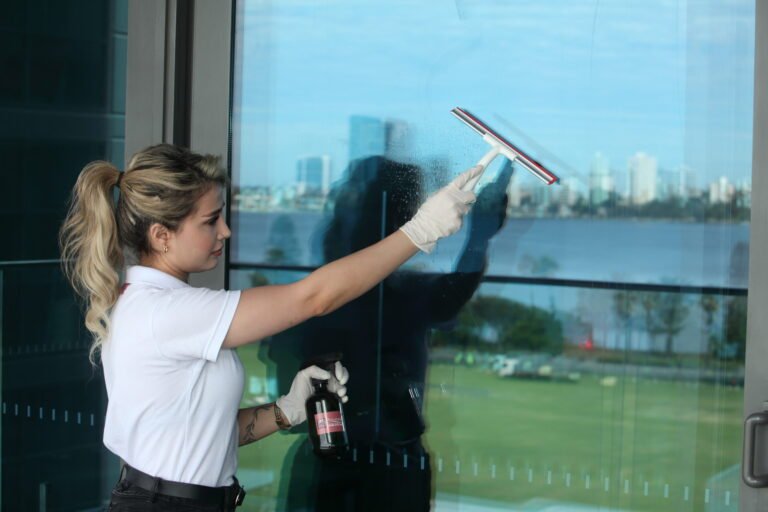
Detailed cleaning includes window interiors, tracks, and blinds—ensuring nothing is missed.
7. Outdoor Areas and Balconies Not Maintained
Tenants are responsible for returning outdoor areas in a clean condition.
Common issues include:
- Weeds
- Built-up dirt
- Cobwebs
- Dirty balconies
How cleaning helps:
End of lease cleaning services typically include sweeping, washing surfaces, and removing cobwebs.
8. Dust in Hard-to-Reach Areas
Ceiling fans, vents, skirting boards, and light fixtures often gather unnoticed dust.
These areas are commonly checked during final inspections.
How cleaning helps:
Professional cleaners follow a checklist approach, ensuring top-to-bottom cleaning.
9. Lingering Odours (Pets, Smoke, Cooking)
Even if a property looks clean, odours can trigger complaints.
Pet smells and strong cooking smells are frequent issues in inspections.
How cleaning helps:
Deep cleaning carpets, deodorising, and detailed kitchen cleaning eliminate trapped smells.
10. Incomplete End of Lease Cleaning
Perhaps the biggest reason bonds get reduced? Partial cleaning.
Tenants might clean visible surfaces but forget behind appliances, inside cupboards, or inside light fittings.
How cleaning helps:
A structured end of lease clean follows real estate checklists, covering areas tenants often miss.
How Professional Cleaning Helps Protect Your Bond
Hiring professionals reduces risk. Here’s why:
- They understand inspection standards
- They follow detailed checklists
- They clean overlooked areas
- They save you time and stress
- They reduce the likelihood of re-cleans
Companies like Real Clean Services provide end of lease cleaning in Perth and Sydney designed specifically to meet property manager expectations.
End of Lease Cleaning Checklist for WA & NSW Tenants
Here’s a simplified guide:
Kitchen
- Deep clean oven and stovetop
- Clean cupboards inside and out
- Degrease splashbacks
Bathroom
- Remove mould
- Clean shower screens
- Polish mirrors and taps
Bedrooms & Living Areas
- Dust skirting boards
- Clean inside wardrobes
- Remove wall marks
Floors
- Vacuum and mop hard floors
- Steam clean carpets (if required)
Windows
- Clean glass
- Wipe tracks
Dust blinds
Protect Your Bond with the Right Cleaning Plan
Your bond can be thousands of dollars. Losing part of it over missed cleaning details feels frustrating—and avoidable.
By understanding the Top 10 Reasons Bonds Get Reduced (And How Cleaning Helps), you can prepare properly, avoid common mistakes, and walk into your final inspection with confidence.
Whether you clean it yourself using a detailed checklist or hire professionals experienced in Perth and Sydney rental standards, one thing is clear:
A thorough end of lease clean isn’t just about tidiness—it’s about protecting your money.
Contact Real Clean Today
Perth and Sydney: 0439 872 388
✉️ contact@realcleanservices.com.au | sydney@realcleanservices.com.au
FAQ
1. Is professional carpet cleaning mandatory?
2. Can a landlord deduct bond for minor dust?
3. How clean does an oven need to be?
4. What is considered fair wear and tear?
5. Should I clean after removalists leave?
6. How long does an end of lease clean take?